
Innovative Strategies for Enhancing Soil Health in Sustainable Agriculture

Soil health stands at a critical point. With growing concerns about climate change, food security, and environmental degradation, the way we manage soil in agriculture has never been more important. Healthy soil supports plant growth, stores carbon, and maintains water cycles. This post explores practical strategies that farmers and researchers use to improve soil health while supporting sustainable farming.
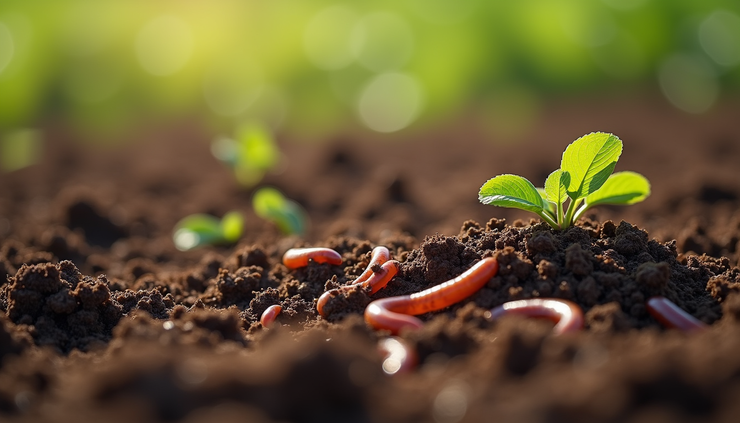
Understanding Soil Health and Its Importance
Soil health refers to the soil’s ability to function as a living ecosystem that sustains plants, animals, and humans. It depends on physical structure, nutrient content, microbial activity, and organic matter. When soil is healthy, it retains water better, resists erosion, and supports diverse crops.
Poor soil health leads to reduced yields, increased need for chemical fertilizers, and environmental harm. Sustainable farming focuses on maintaining or improving soil health to ensure long-term productivity and ecosystem balance.
Cover Crops and Crop Rotation
One effective way to improve soil health is using cover crops. These are plants grown between main crops to protect and enrich the soil. Cover crops prevent erosion, reduce weeds, and add organic matter when they decompose. For example, legumes like clover fix nitrogen, naturally fertilizing the soil.
Crop rotation, changing the types of crops grown in a field each season, also helps. Rotating deep-rooted and shallow-rooted plants improves soil structure and nutrient cycling. For instance, rotating corn with soybeans can reduce pests and improve nitrogen availability.
Reduced Tillage Practices
Traditional plowing disturbs soil structure and kills beneficial organisms. Reduced tillage or no-till farming minimizes soil disturbance. This practice helps maintain soil organic matter and microbial life, which are essential for nutrient cycling.
Farmers using no-till methods often see better water retention and less erosion. Combining no-till with cover crops further enhances soil health by protecting the surface and feeding soil organisms.
Organic Amendments and Compost
Adding organic materials like compost, manure, or biochar improves soil fertility and structure. Compost supplies nutrients slowly and supports microbial communities. It also increases the soil’s ability to hold water.
For example, farms that apply compost regularly report healthier crops and reduced need for synthetic fertilizers. Organic amendments also help rebuild degraded soils, making them more resilient to drought and heavy rains.
Monitoring and Scientific Engagement
Farmers and scientists now use soil testing and monitoring tools to track soil health indicators such as pH, nutrient levels, and microbial activity. This data guides management decisions and helps tailor practices to specific soil needs.
Research collaborations between farmers and scientists have led to innovations like precision agriculture, where inputs are applied only where needed. This reduces waste and protects soil quality.
Moving Forward with Soil Health
Improving soil health requires a combination of practices tailored to local conditions. Cover crops, crop rotation, reduced tillage, and organic amendments all contribute to building resilient soils. Scientific engagement helps refine these strategies and measure their impact.


Comments